
If your pool looks stained, feels rough, or has cracks in the surface, it may be time for resurfacing. Pool resurfacing cost depends on several factors, including your pool’s size, its condition, and the finish you choose.
Knowing what affects the price can help you plan your project and avoid surprises. At Lemaster Custom Pools, we help homeowners throughout South Fort Worth choose the right resurfacing option for their pool and their budget.
What Affects Pool Resurfacing Cost?
No two pools are exactly alike, so there isn’t a single price that fits every project. Before giving you an estimate, your contractor will look at:
- The size of your pool
- The condition of the existing surface
- The finish you choose
- Whether repairs are needed
- Any upgrades you want to complete at the same time
A pool with only normal wear will usually cost less to resurface than one with cracks, loose tile, or other damage.
How Pool Size Affects Pool Resurfacing Cost
Larger pools need more material and more labor, so they usually cost more to resurface than smaller pools.
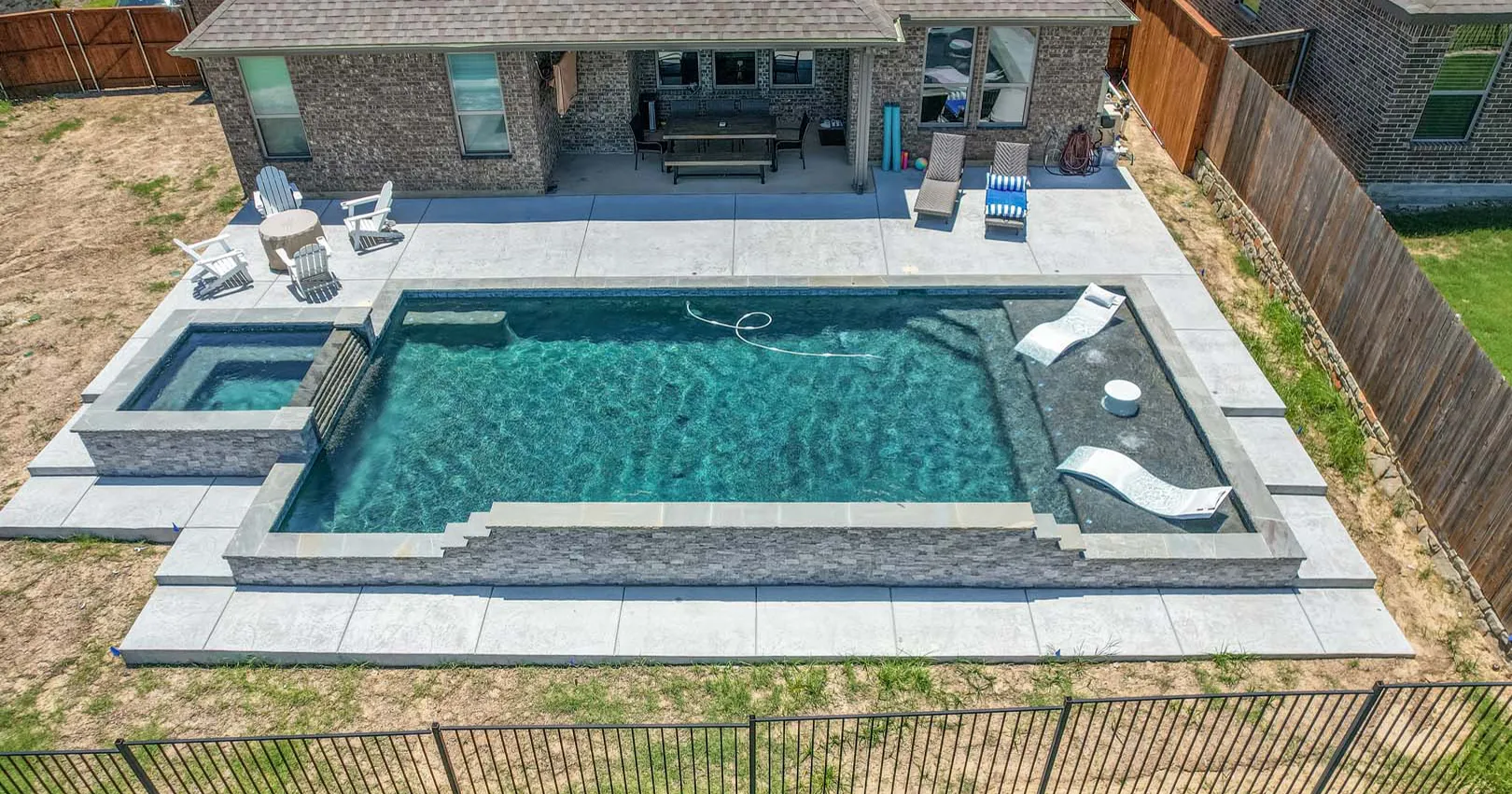
The pool’s shape also matters. Features like tanning ledges, built-in spas, benches, and curved edges take more time to resurface than a simple rectangular pool. During your consultation, your contractor will measure your pool, look for damage, and give you a quote.
The Finish You Choose Affects the Price
The type of finish you choose is one of the biggest factors in pool resurfacing cost.
Plaster is the most affordable option. It provides a smooth, clean appearance and is a popular choice for many homeowners.
Quartz costs more than plaster but offers better stain resistance and added durability. It also gives the pool a little more texture and color.
PebbleTec is a premium finish made with natural pebbles. It creates a beautiful, textured look and is known for its long-lasting durability.
Lemaster Custom Pools installs plaster, quartz, and PebbleTec finishes, making it easy to choose the option that best fits your style and budget.
Repairs and Upgrades Can Increase Pool Resurfacing Cost
Sometimes resurfacing is only part of the project.
If your waterline tile is cracked, your coping is damaged, or small repairs are needed before the new finish is applied, those items can affect the total cost. Many homeowners choose to complete these upgrades during resurfacing because the pool is already drained and prepared for work.
Taking care of everything at once can also help prevent future repairs.
What to Expect During Pool Resurfacing
Most resurfacing projects follow the same basic steps.
First, the pool is drained. Next, the old surface is removed, and the shell is inspected for any needed repairs. Once the surface is ready, the new finish is applied. After the finish has cured, the pool is refilled and prepared for use.
The timeline depends on the size of your pool, the finish you choose, and whether repairs are needed. Many resurfacing projects are completed within several days. But larger projects or repairs may take longer.
Get a Pool Resurfacing Cost Estimate in South Fort Worth
The best way to learn your pool resurfacing cost is with a professional estimate. Every pool is different. An in-person inspection lets your contractor recommend the right finish and identify any needed repairs.
Lemaster Custom Pools provides pool resurfacing throughout South Fort Worth, including Godley, Burleson, Joshua, Cleburne, Granbury, Crowley, Benbrook, Aledo, and Weatherford. Contact us today to schedule your free consultation and receive a customized pool resurfacing estimate.
Related:
Inground Pool Cost: What to Expect
Pool Deck Resurfacing in South Fort Worth, TX
Gunite Pool Construction: 7 Benefits Homeowners Should Know